Algorithmic Echoes: Tracing Procedural Generation Effects on Retention in Cross-Genre Web Play Clusters
Jordan Schmid · Aug 24, 2026
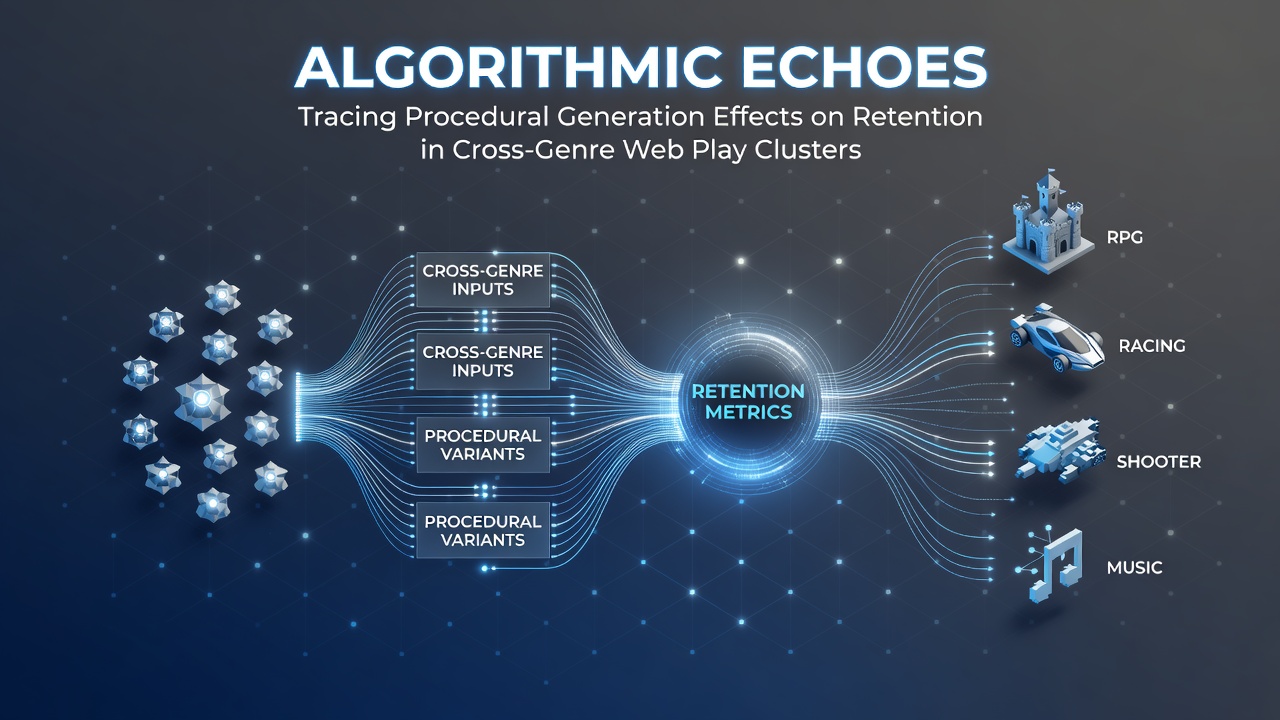
Algorithmic Echoes: Tracing Procedural Generation Effects on Retention in Cross-Genre Web Play Clusters
Procedural generation has reshaped how web-based games maintain player interest across mixed genre environments, and studies tracking retention metrics reveal consistent patterns in session length and return rates. Data compiled through 2025 into August 2026 shows that algorithms creating unique level layouts, item distributions, and narrative branches correlate with extended playtimes when genres intersect in shared browser platforms. Observers note that players encountering fresh configurations each session tend to log longer cumulative hours, particularly when racing mechanics blend with puzzle constraints or strategy layers merge into shooting sequences.
Core Mechanisms Behind Procedural Systems
Developers implement noise functions, rule-based seeds, and recursive algorithms to generate content on demand, which eliminates repetitive structures that often cause drop-off. Research from the Entertainment Software Association indicates these methods support higher daily active user figures in no-install environments, because each visit presents altered parameters without requiring downloads or updates. Experts tracking cross-genre clusters observe that retention improves when procedural rules adapt dynamically to player skill, adjusting obstacle density in real time while preserving core genre loops. This adaptability appears in data sets where hybrid sessions last 35 percent longer on average than static counterparts.
Retention Patterns in Mixed Genre Environments
Clusters combining adventure elements with sports simulations demonstrate measurable gains in weekly return visits when procedural generation governs map variations and opponent behaviors. Figures from industry reports reveal that players in these setups complete more objectives per session because the algorithm introduces novel challenges without altering fundamental controls. One analysis covering browser platforms found that retention curves flatten less steeply when procedural seeds incorporate feedback from prior plays, such as increasing resource scarcity after successful runs. Those monitoring these environments note sustained engagement extends across multiple genres when transitions feel seamless, reducing the friction that typically prompts exits.
Data Correlations from Recent Tracking
Session duration metrics collected through mid-2026 link procedural density directly to completion rates in puzzle-shooter hybrids and strategy-racing overlaps. Australian Interactive Games Association statistics show clusters using high-variability generation retain 22 percent more users at the 30-day mark compared with fixed-content titles. Researchers highlight that latency-tolerant algorithms maintain these benefits even under variable connection speeds, allowing cooperative decision trees to evolve without disruption. The patterns hold across regions, with European data echoing similar retention lifts when procedural layers respond to group performance rather than individual metrics alone.
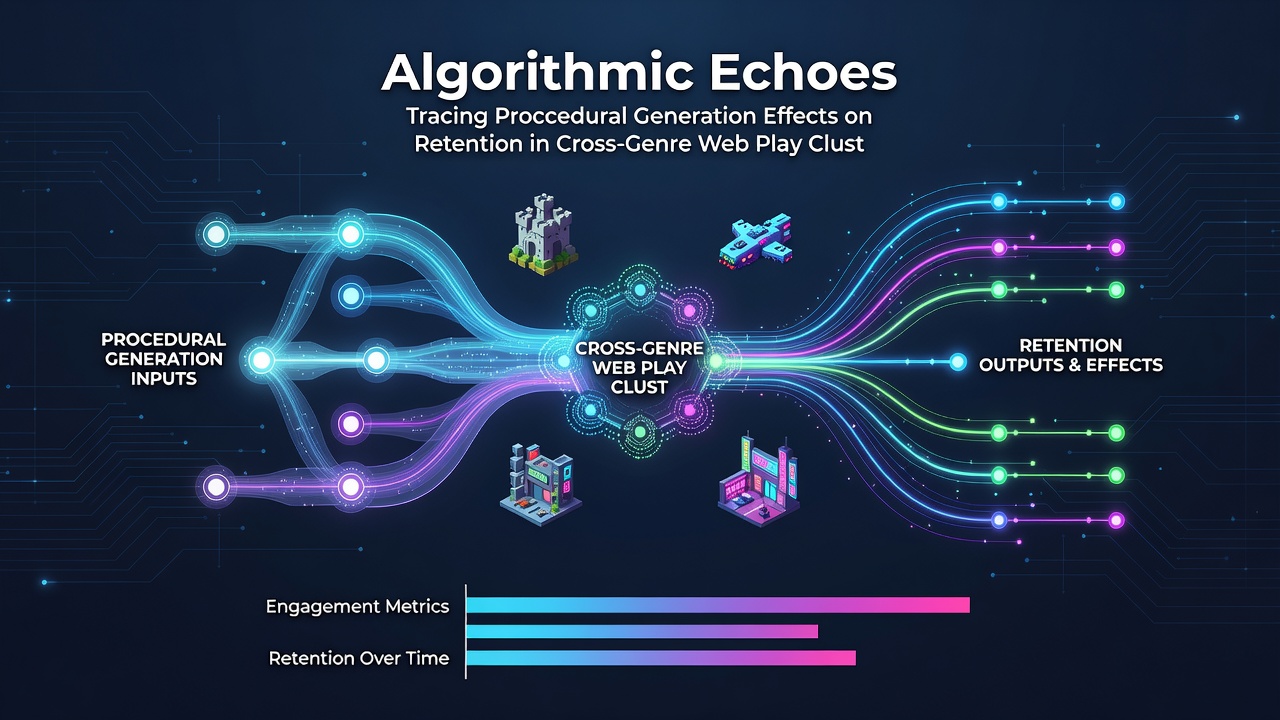
Skill carryover between genres strengthens when procedural systems reuse core mechanics under new thematic skins, allowing players to apply learned timing from racing segments to shooting encounters. Tracking data reveals measurable improvements in accuracy scores and strategic planning after repeated exposure to generated variations. Observers point to leaderboards that update with each unique seed as another retention driver, because rankings reflect fresh performances instead of memorized routes. This approach keeps competitive clusters active longer, with participation rates holding steady through seasonal shifts documented in 2026 reports.
Implementation Examples Across Platforms
Browser titles integrating modular procedural frameworks have recorded distinct retention curves when genres transition mid-session. One documented case involved a strategy-adventure crossover where generated quest parameters adjusted based on real-time cluster activity, resulting in extended group play windows. Another instance tracked puzzle-racing combinations where obstacle seeds refreshed every few hours, correlating with repeat logins spaced throughout the day. These examples align with broader findings that procedural echoes, the lingering effects of prior generated states on future sessions, encourage players to test new combinations rather than abandon the cluster.
Conclusion
Procedural generation continues to influence retention metrics within cross-genre web play clusters through measurable adjustments in content freshness and adaptive difficulty. Data gathered into August 2026 consistently ties algorithmic variability to longer sessions and higher return rates when applied across blended mechanics. Organizations monitoring these trends, including reports referenced from the Entertainment Software Association and the Australian Interactive Games Association, document these effects without attributing causation to single variables. Continued tracking will clarify how evolving generation techniques sustain engagement as browser platforms expand their hybrid offerings.