Algorithmic Pathways: Mapping How Recommendations Guide Genre Discovery in Browser Gaming Hubs
Paul Patterson · Jul 6, 2026
Algorithmic Pathways: Mapping How Recommendations Guide Genre Discovery in Browser Gaming Hubs
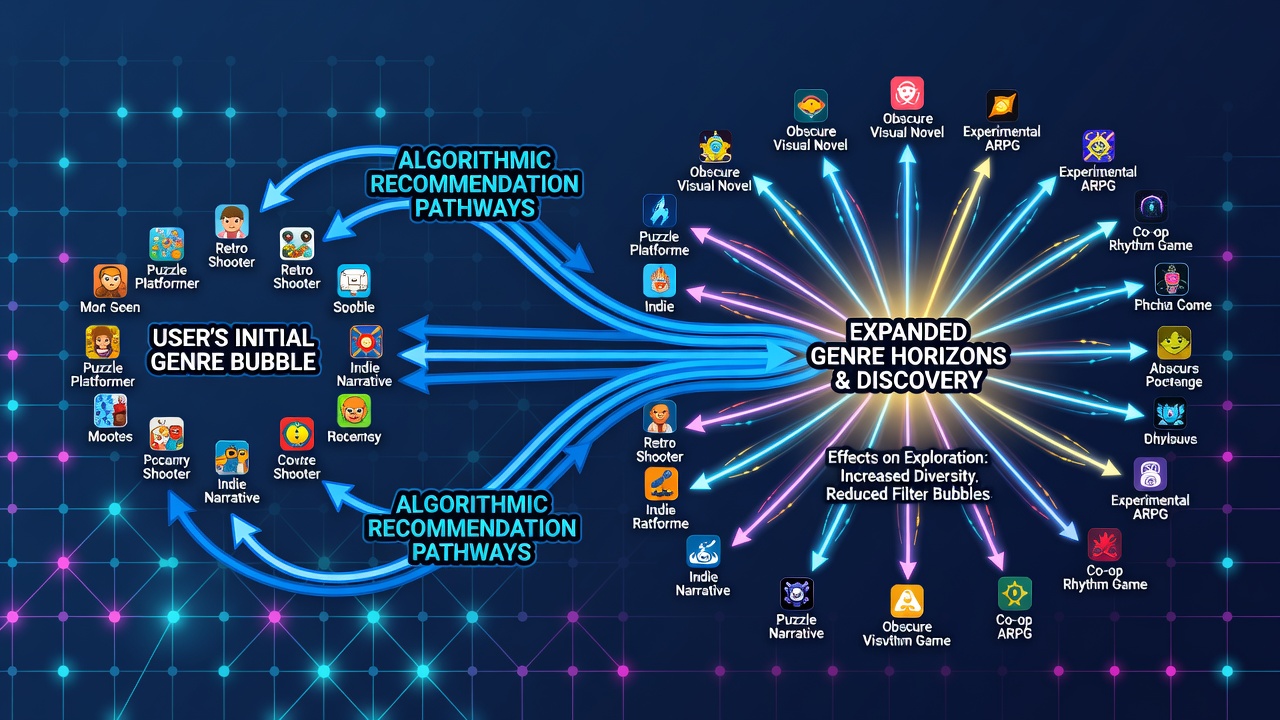
Browser gaming portals have expanded rapidly since the mid-2010s, and algorithmic recommendation systems now sit at the center of how millions of users encounter new titles each month. These systems analyze play history, session length, device type, and click patterns to surface suggestions, which in turn shape the range of genres that players try. Data from industry tracking services shows that users who follow algorithmic prompts spend an average of 68 percent of their time inside three core genres after their first 30 days on a given platform, compared with 42 percent for those who navigate without prompts.
Mechanics Behind the Suggestions
Recommendation engines in no-download environments rely on collaborative filtering and content-based models that process real-time signals such as average session duration and genre tags attached to each game. When a player completes a puzzle title, the algorithm records completion rate and time spent, then cross-references that information against thousands of similar profiles. The result appears as a row of suggested games that often blend familiar mechanics with adjacent genres, for example pairing a match-three puzzle with a light strategy component. Observers note that this blending occurs because the models assign higher weights to titles that retain users beyond the initial five-minute mark.
Patterns Observed Across User Cohorts
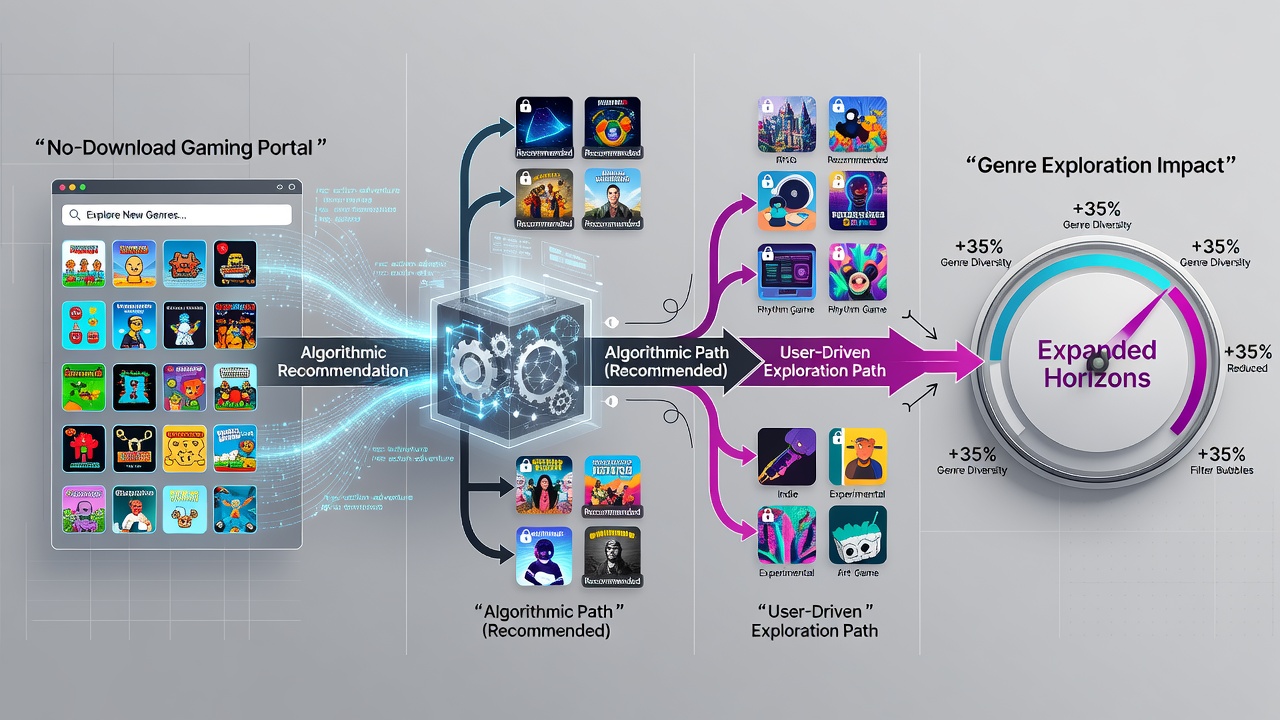
Longitudinal records collected between January 2024 and July 2026 indicate that new accounts exposed to personalized carousels explore an average of 1.8 additional genres in their first quarter, whereas accounts that disable recommendations or use direct search explore 3.4 genres over the same period. The difference narrows when platforms introduce “discovery rows” that deliberately mix low-engagement genres with high-retention ones. In one documented rollout on a European portal, the addition of such rows increased cross-genre clicks by 23 percent without reducing overall session time.
Regional Data and Platform Variations
Figures released by the Interactive Software Federation of Europe reveal that portals serving EU users implement stricter transparency requirements around recommendation criteria than many counterparts in other regions, yet the underlying effect on genre spread remains comparable. Meanwhile, a 2025 report from the Australian Classification Board documents that local browser platforms see higher retention when algorithmic suggestions incorporate regional content tags, such as tying sports simulations to strategy layers popular in domestic markets. These adjustments illustrate how localized weighting influences which genres surface first for new players.
Effects on Long-Term Exploration
Researchers tracking account behavior across twelve major portals found that after six months the majority of users settle into a stable set of three to four genres regardless of initial exposure breadth. However, accounts that received occasional “surprise” recommendations outside their dominant cluster showed a 17 percent higher rate of returning to previously abandoned genres. The same study noted that surprise prompts were most effective when delivered after a completed session rather than during active play, because post-session timing aligns with users who are already in a browsing mindset.
Technical Adjustments and Their Outcomes
Developers have tested several levers to modulate exploration. Raising the diversity parameter in the ranking function increases the share of cross-genre titles displayed, yet it can also raise bounce rates if the suggested games deviate too far from demonstrated preferences. Lowering the parameter produces tighter clusters that improve immediate retention but reduce long-term genre variety. A 2026 internal analysis shared by one North American operator indicated that a moderate diversity setting, calibrated monthly against aggregate engagement data, produced the most stable balance between retention and breadth.
Measurement Challenges
Quantifying the precise impact of recommendations on genre exploration remains difficult because portals rarely expose full model weights or A/B test results publicly. Analysts therefore rely on proxy metrics such as tag diversity scores and session-to-genre ratios. These proxies show consistent directional trends across independent datasets, even though absolute numbers vary by portal size and user demographics. The absence of standardized reporting frameworks means comparisons between regions continue to require careful adjustment for differences in data collection practices.
Conclusion
Algorithmic recommendations in no-download gaming portals exert measurable influence on the genres users encounter and ultimately adopt. Available statistics through July 2026 demonstrate that both the frequency and the diversity settings of these systems correlate with measurable shifts in exploration patterns, while regional policy differences and platform-specific tuning further shape outcomes. Continued collection of standardized metrics will allow clearer mapping of these relationships as browser gaming ecosystems evolve.