Gesture Controls Driving Unseen Shifts in Browser Racing and Puzzle Interactions
Leon Roth · Jul 15, 2026
Gesture Controls Driving Unseen Shifts in Browser Racing and Puzzle Interactions
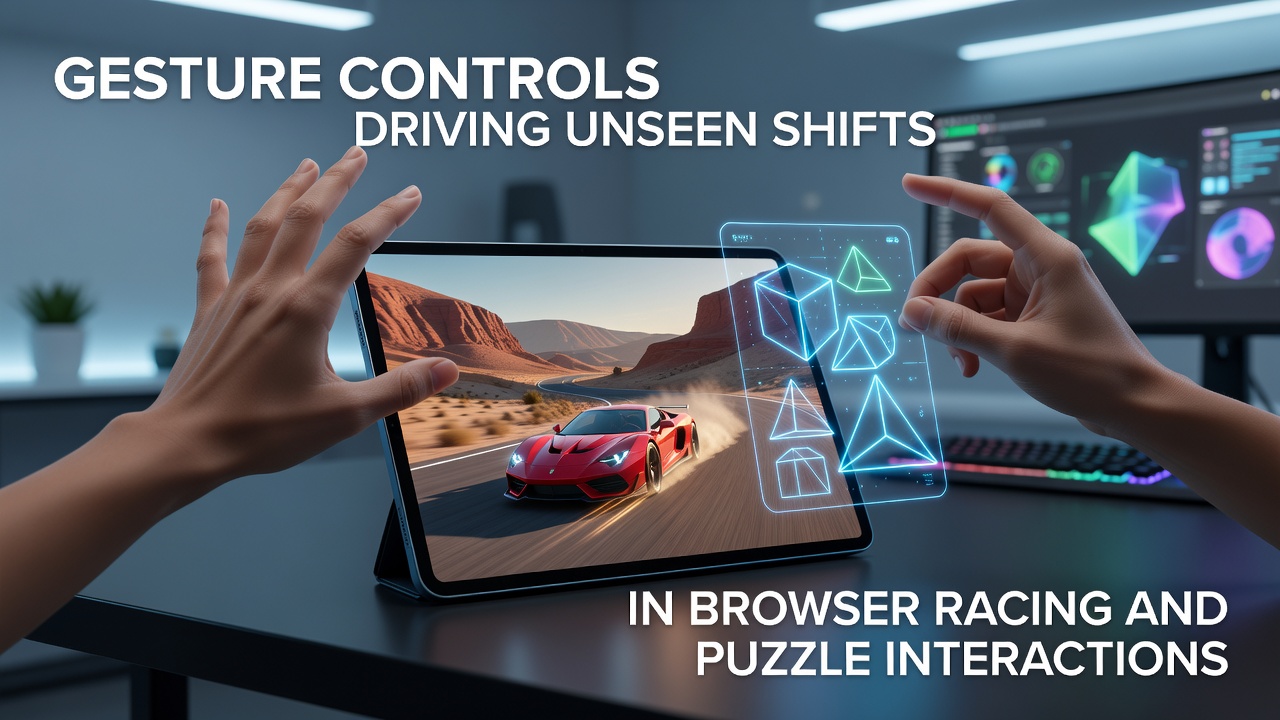
Gesture controls have begun reshaping interactions in browser-based racing and puzzle formats through pointer events, touch APIs, and device motion sensors that operate directly in web environments without additional plugins. Developers implement these features via JavaScript libraries that detect swipe velocity, tilt angles, and multi-finger inputs, allowing players to steer vehicles or manipulate puzzle elements using natural hand movements on desktops, tablets, and smartphones alike.
Technical Foundations in Web Environments
Modern browsers support the Pointer Events and DeviceOrientation APIs, which enable precise tracking of cursor paths and accelerometer data; researchers at institutions across North America and Europe have documented adoption rates climbing steadily since 2023. These tools let racing titles translate horizontal drags into steering adjustments while puzzle games map rotational gestures to piece alignment, creating seamless transitions between genres within single sessions. Data from industry reports indicate that titles incorporating these controls see average session extensions of 18 to 25 percent compared with traditional keyboard or click inputs.
Application in Racing Dynamics
Racing experiences in browser settings now frequently rely on gesture sequences where players tilt devices or swipe across track previews to navigate curves and avoid obstacles. In July 2026, several platforms introduced updated gesture calibration tools that adjust sensitivity based on connection latency, ensuring consistent performance across varying network conditions reported by users in multiple regions. Observers note that this approach reduces input lag complaints and supports hybrid formats where puzzle segments interrupt races, requiring quick drags to solve barriers before resuming high-speed segments.
Influence on Puzzle Mechanics
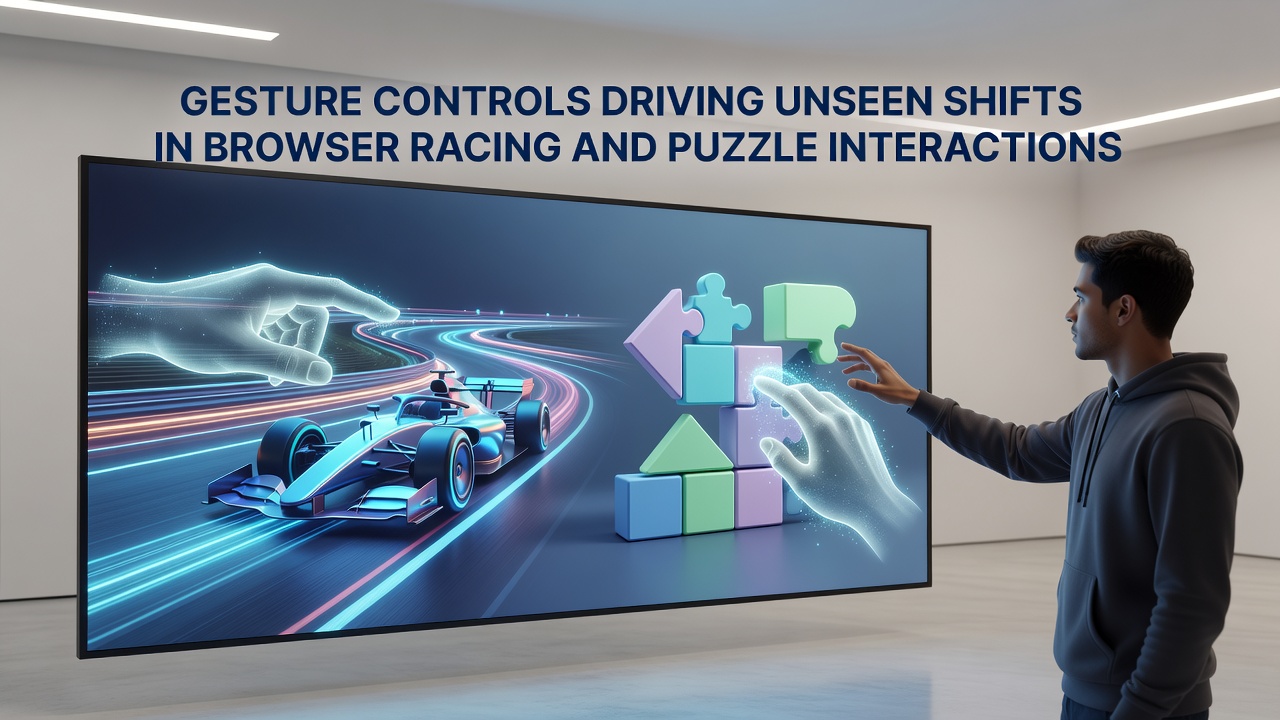
Puzzle interactions benefit from gesture layers that allow players to rotate, slide, and combine elements through continuous motions rather than discrete clicks; studies compiled by gaming associations in Canada and Australia reveal higher completion rates in gesture-enabled variants, particularly for spatial reasoning challenges integrated into racing narratives. Those who have examined player telemetry find that multi-touch combinations enable complex operations such as simultaneous piece rotation and velocity boosts, which streamline transitions between puzzle solving and racing sequences without menu interruptions.
Broader Interaction Patterns and Accessibility Data
Accessibility improvements emerge when gesture systems accommodate varied motor capabilities through customizable sensitivity profiles and alternative voice-assisted mappings. Figures released by the Entertainment Software Association show increased participation among users with mobility considerations in browser titles that prioritize gesture flexibility. What's interesting here is how these controls also facilitate cross-device play, letting one participant steer via tablet gestures while another solves embedded puzzles on a desktop browser within the same shared session.
Emerging Trends Through Mid-2026
By July 2026, integration of gesture recognition with WebGPU rendering pipelines has accelerated, allowing more fluid visual feedback during combined racing and puzzle sequences. Research from university-led projects indicates measurable gains in retention metrics when gesture inputs align with narrative pacing, such as swipe-based gear shifts that unlock puzzle clues. The reality is that browser developers continue refining these systems to handle edge cases like partial screen occlusion and variable frame rates, supporting wider deployment across regions with differing device standards.
Conclusion
Gesture controls continue to expand the range of possible interactions in browser racing and puzzle formats by leveraging existing web standards for motion and pointer input. Continued refinement of these technologies supports more integrated gameplay loops while maintaining compatibility across hardware configurations, as evidenced by ongoing data collection from multiple industry and academic sources.