Pixel Pathways: How Persistent Leaderboards Drive Retention in Cross-Genre Browser Sports Encounters
Paul Patterson · Jun 1, 2026
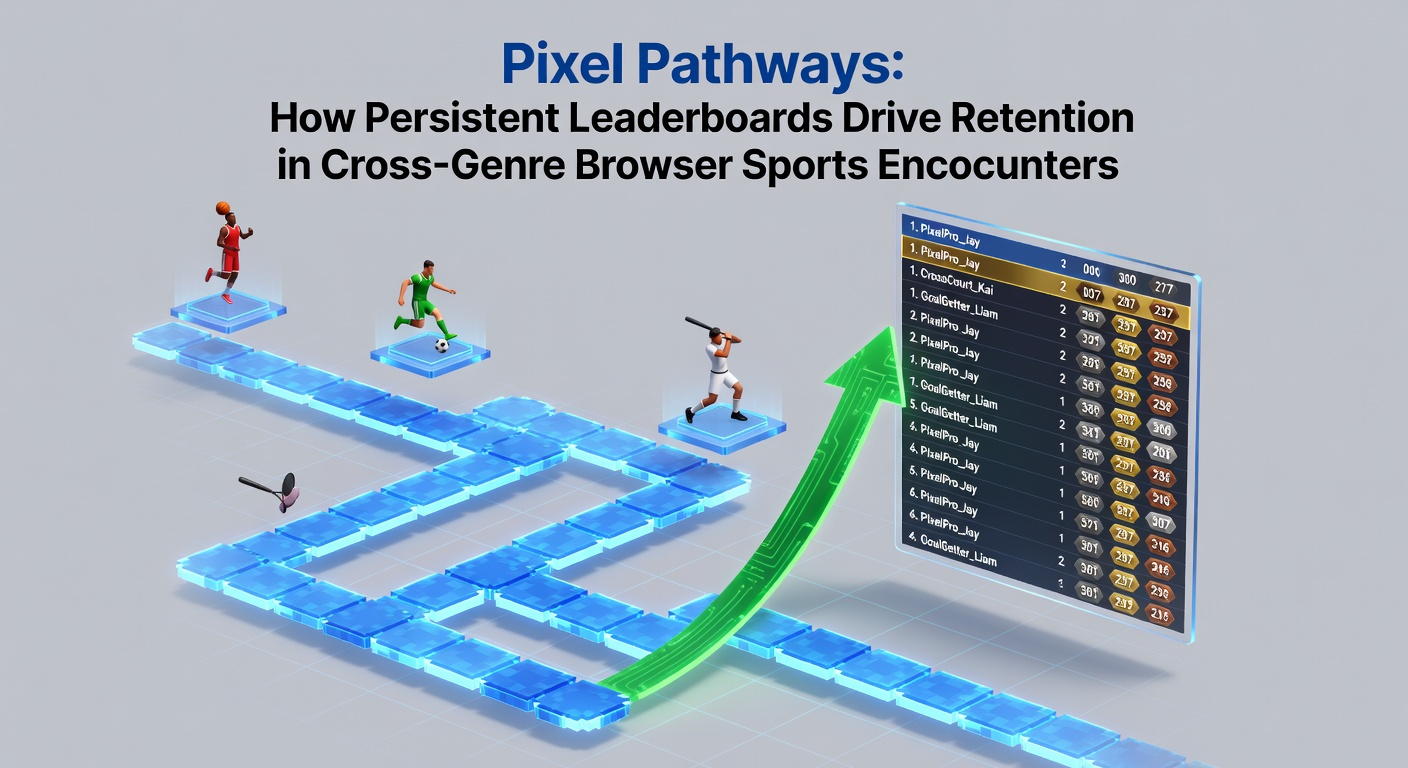
Pixel Pathways: How Persistent Leaderboards Drive Retention in Cross-Genre Browser Sports Encounters
Persistent leaderboards have become central fixtures in browser sports encounters that span racing, action, and strategy elements, and data from multiple platforms shows they correlate with higher session frequency and longer-term player returns. These systems track performance across sessions without requiring downloads, allowing scores and rankings to carry forward as users switch between related game modes.
Mechanics Behind Persistent Systems
Browser environments support real-time score synchronization through server-side databases that update rankings instantly when players complete matches or challenges. In cross-genre setups, a racing segment might feed into a shooting sequence, yet the same leaderboard aggregates results from both activities, creating unified progression paths. Observers note that such integration reduces the friction of starting fresh each time, because accumulated points and positions remain visible regardless of the specific sub-mode selected.
Cross-Genre Sports Formats in Browser Spaces
Many titles combine athletic simulation with puzzle resolution or tactical decision layers, and persistent leaderboards accommodate these hybrids by weighting different skill categories within a single ranking structure. For instance, a soccer-themed encounter might incorporate timing-based puzzles during set pieces, while the overall leaderboard reflects combined metrics like speed, accuracy, and strategic choices. Researchers at several universities have tracked how these blended formats benefit from unified scoring, because players who excel in one aspect can still climb rankings even when other elements prove more challenging.
Retention Patterns Linked to Leaderboard Design
Industry figures reveal that platforms incorporating daily and weekly leaderboard resets alongside all-time persistent ranks see repeated logins increase noticeably compared to games without such features. The mechanism works through visible milestones that update in real time, prompting users to return for incremental improvements rather than isolated play sessions. In June 2026, reports compiled across North American and European browser networks indicated that retention metrics rose further when leaderboards displayed comparative data against friends or regional cohorts, turning individual performance into a shared reference point.
Players often discover that completing a single cross-genre sequence unlocks new leaderboard tiers, which in turn highlights upcoming challenges. This loop operates without external prompts because the ranking interface itself surfaces the next available activity, whether it leans toward speed trials or coordinated team maneuvers. Data shows session length extends when users chase nearby competitors on the same board, since each attempt carries forward prior results instead of resetting entirely.
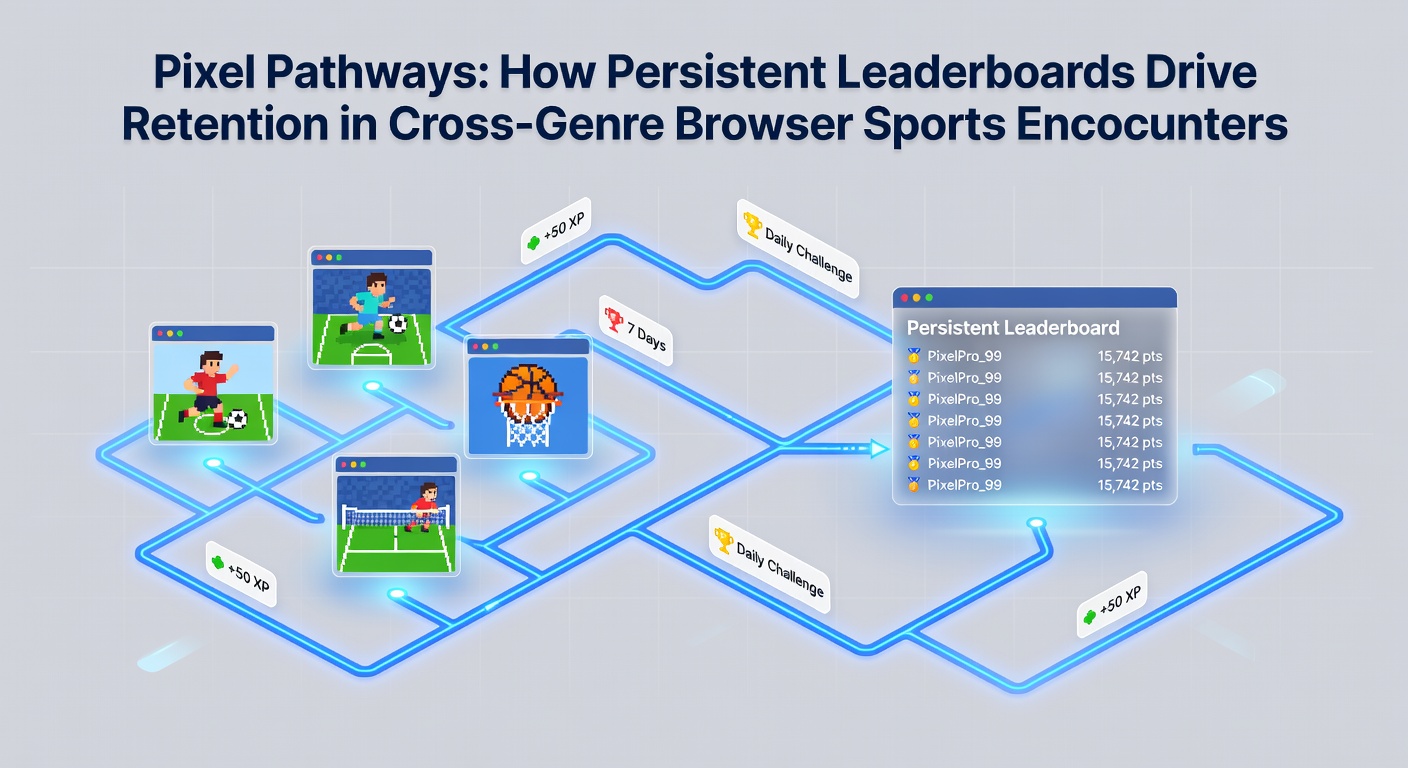
Technical Implementation Across Platforms
Developers rely on lightweight JavaScript frameworks and cloud-based APIs to maintain leaderboard continuity even during tab switches or brief disconnections. These systems store progress server-side, so browser refreshes or device changes do not erase accumulated standings. According to documentation from the Entertainment Software Association, cross-genre sports titles that adopted such architectures reported steadier monthly active user curves through the first half of 2026, particularly in markets where quick-access play dominates.
Security protocols verify each entry to prevent score inflation, while modular scoring algorithms allow different genres to contribute distinct point types that still aggregate into one visible rank. This flexibility supports ongoing content additions, because new sports variants or puzzle layers integrate into existing boards without requiring full leaderboard resets.
Comparative Trends and Platform Data
Studies published by research groups at the University of Melbourne have examined how leaderboard persistence interacts with genre blending in browser environments, noting measurable differences in return rates when rankings span multiple mechanics versus single-genre formats. The findings align with broader platform analytics that track user behavior across regions, showing consistent patterns where visible progress markers reduce drop-off between sessions.
Regional variations appear in how often leaderboards refresh, yet the core principle remains that cumulative tracking encourages repeated engagement. In June 2026, updated telemetry from several major browser portals confirmed that titles emphasizing persistent cross-genre sports encounters maintained higher average play frequencies than comparable single-session experiences.
Conclusion
Persistent leaderboards continue to shape retention dynamics in browser sports encounters that cross genre boundaries by providing continuous visibility into performance and progression. Technical frameworks enable seamless data handling across modes, while design choices around ranking resets and comparative displays influence return patterns. Available metrics through mid-2026 indicate these systems support sustained activity when integrated thoughtfully into hybrid athletic formats.